
Exploring the psychological effects of casino environments on player behavior
The Allure of Casino Atmosphere
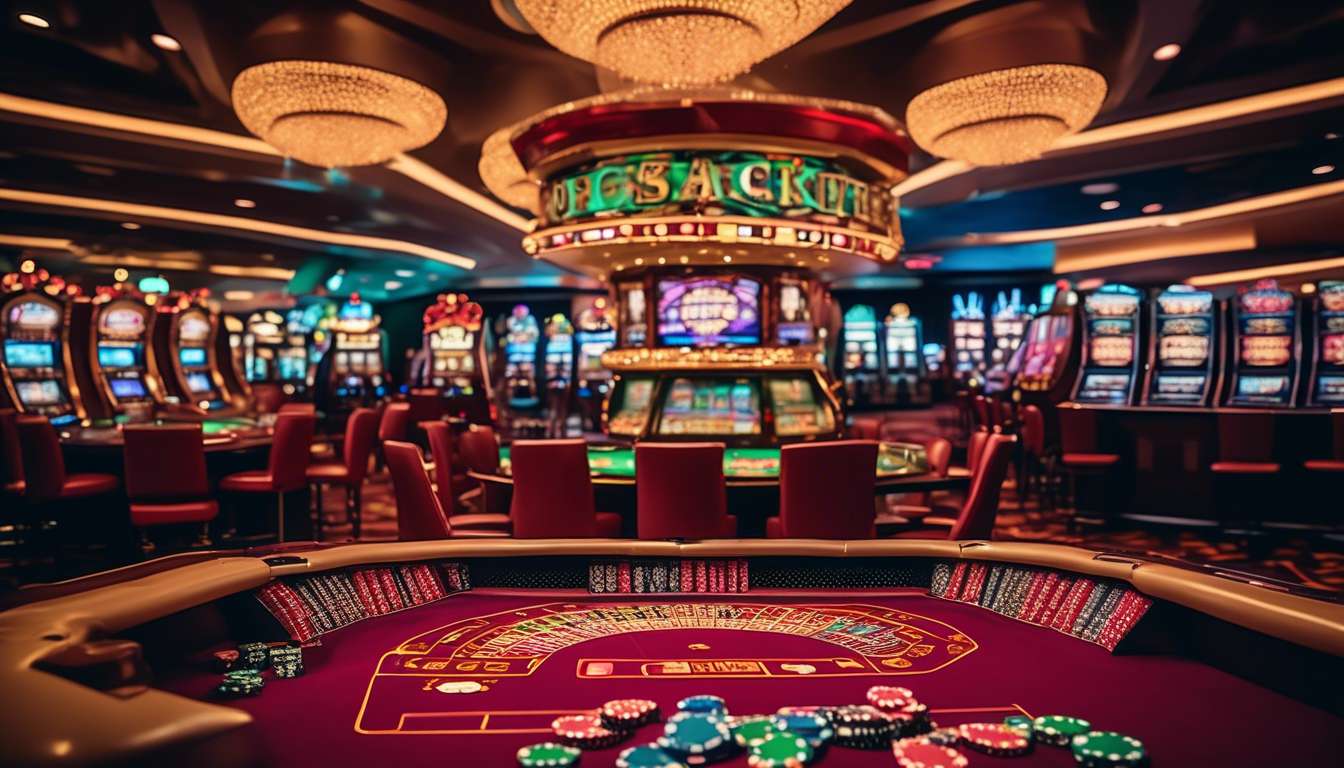
The environment of a casino is meticulously designed to create an engaging and immersive experience for players. Bright lights, vibrant colors, and captivating sounds work in harmony to stimulate the senses. These elements are not merely for aesthetic appeal; they are strategically implemented to foster a sense of excitement and urgency. Research suggests that the sensory overload in casinos can lead to heightened levels of arousal, making players more likely to engage with the games available. Many players enjoy popular casino games explained in detail, which can enhance their understanding and engagement. For a fantastic array of options, check out spinjo.nz, where the experience is tailored for maximum enjoyment.

Moreover, the architecture of casinos contributes to a feeling of escapism. With no clocks, windows, or clear exits, players can easily lose track of time. This disorientation encourages longer play sessions, as individuals become absorbed in the casino experience. By creating an atmosphere that feels detached from the outside world, casinos foster a space where players can indulge in their fantasies, further influencing their behavior and decision-making processes.
Another psychological tactic employed by casinos is the use of free drinks and comped meals. By catering to players’ comforts, casinos create an atmosphere of hospitality that can lead to more extended periods of play. This strategy capitalizes on the idea that players are more likely to let their guard down when they feel pampered. Consequently, the perception of generosity can cloud judgment, resulting in increased spending and risk-taking behaviors.
The Role of Game Design in Player Behavior
Game design is crucial in shaping player experiences and influencing behavior. Games are often developed with features such as near-misses, variable rewards, and engaging graphics to keep players captivated. The phenomenon of near-misses, where players almost win, can lead to a sense of excitement and encourage them to keep playing, believing that victory is just around the corner. This psychological effect can lead to prolonged gameplay, as players become emotionally invested in the outcome.
Additionally, variable rewards play a significant role in the psychology of gambling. Unlike traditional rewards, which offer consistent outcomes, variable rewards create an element of surprise. This unpredictability enhances the thrill of gaming, making it more enticing for players. The dopamine release associated with uncertain rewards activates the brain’s pleasure centers, reinforcing the behavior and making players crave that sensation, often resulting in a cycle of repeated play.
Game design also incorporates social elements to further influence behavior. Multiplayer games and live dealer options create a sense of community, allowing players to interact with each other and with the dealers. This social aspect can enhance enjoyment, making players more likely to spend additional time and money. By fostering a sense of belonging, casinos exploit the human need for connection, which can drive players to engage more deeply with the gaming experience.
The Impact of Cognitive Biases
Cognitive biases are systematic patterns of deviation from norm or rationality in judgment, and they play a significant role in how players engage with casino games. One common bias is the illusion of control, where players believe they can influence outcomes in games of chance. This belief can lead to excessive risk-taking, as players feel empowered to increase their bets, mistakenly thinking they have some degree of control over the results.
Another prevalent cognitive bias is the gambler’s fallacy, the belief that past events influence future outcomes in random games. For instance, if a player has lost several times in a row, they may irrationally assume that a win is ‘due.’ This cognitive distortion often leads to increased betting, as players chase losses, believing they will eventually win back their money. Such biases can be detrimental to financial well-being, driving players into cycles of loss and desperation.
The framing effect also plays a significant role in how players perceive their experiences in casinos. How choices are presented can significantly impact decision-making. For example, if a player is shown a near-miss as a win, they may feel more motivated to continue playing, despite losses. This framing can skew their perception, making them feel like they are winning even when they are losing overall, perpetuating the cycle of gambling behavior.
The Influence of Social Factors
Social factors can profoundly affect player behavior in casinos. Many individuals visit casinos in groups, seeking shared experiences and social interaction. This communal atmosphere can lead to increased betting, as players often feel a sense of competition or camaraderie with their companions. The social reinforcement of risky behaviors can lead to higher stakes being placed, sometimes beyond what a player might individually consider prudent.
Moreover, the presence of others can amplify emotional responses, leading players to engage more intensely with their games. Social pressure may cause individuals to make riskier bets or to continue playing despite losses, all in the name of maintaining social standing or fun. This dynamic can be particularly pronounced in environments where public displays of winning are celebrated, further incentivizing players to take risks.
Furthermore, the representation of gambling in popular culture can influence player behavior. Movies, television shows, and social media often glamorize gambling, portraying it as a pathway to wealth and excitement. This societal perception can lead individuals to underestimate the risks associated with gambling, contributing to the normalization of gambling behavior and increasing the likelihood of participation in casino activities.
Exploring Spinjo Casino and Player Behavior
Spinjo Casino represents a modern online platform designed to capitalize on the psychological factors that influence player behavior. With its user-friendly interface, engaging graphics, and extensive game selection, Spinjo provides an immersive experience that mirrors the thrill of traditional casinos. The platform is tailored for players in New Zealand, offering promotions and bonuses that encourage exploration and prolonged engagement.
The commitment to responsible gaming at Spinjo Casino reflects an understanding of the psychological impacts that gaming can have on players. By promoting awareness and offering tools for self-regulation, the casino aims to create a safe environment where players can enjoy gaming while being mindful of their habits. This approach acknowledges the complexities of player behavior and seeks to empower individuals to make informed decisions.
As players navigate Spinjo Casino, the psychological effects discussed earlier—such as the immersive environment, game design, and social interactions—continue to play a significant role in shaping their experiences. The casino not only serves as a platform for entertainment but also as a case study in understanding the intricate dynamics of player psychology in the world of gambling.