
The historical journey of gambling from ancient rites to modern casinos
Origins of Gambling in Ancient Civilizations
The practice of gambling can be traced back to ancient civilizations where it was often intertwined with religious rituals and social gatherings. Archaeological evidence suggests that the earliest forms of gambling emerged in Mesopotamia around 3000 BCE, where clay dice were used for games of chance. Similarly, in ancient China, gambling activities involved the use of tiles and other materials, which later evolved into more structured games like Keno. For modern enthusiasts, exploring options at LolaJack casino in United Kingdom provides a glimpse into the rich history of these games.

In these early societies, gambling served not only as a form of entertainment but also as a way to divine the future or appease deities. Games were often played during festivals and celebrations, reflecting their cultural significance. The idea of chance was deeply rooted in the belief systems of these civilizations, linking the outcomes of games to fate and fortune.
Gambling in the Classical Era
The classical civilizations of Greece and Rome further popularized gambling. Greeks enjoyed various forms of betting on sports, particularly during the Olympic Games, while Romans took pleasure in dice games and betting on gladiatorial contests. These activities were often regulated, with rules established to maintain fairness and order.
Gambling in this era was not without its controversies. Philosophers such as Plato expressed concerns about the moral implications of betting, arguing that it could lead to social decay. Nevertheless, the allure of gambling persisted, and its integration into societal norms continued to grow, setting the stage for more organized gambling formats in the Middle Ages.
The Rise of Formalized Gambling in the Middle Ages
The Middle Ages saw the emergence of formalized gambling establishments, particularly in Europe. The creation of the first gambling houses, known as casinos, marked a significant shift in how gambling was perceived and conducted. These establishments provided structured environments for various games, including card games and dice.
During this time, games of chance evolved into more sophisticated forms, with the introduction of standardized decks of cards. The emergence of lotteries also gained traction, particularly in Italy, where they were used to fund public projects. The church and the state often grappled with the regulation of gambling, attempting to balance its economic benefits against potential moral issues.
The Evolution of Gambling in the Modern Era
The 19th and 20th centuries witnessed a significant transformation in gambling. The advent of the Industrial Revolution brought about increased urbanization, leading to the establishment of grand casinos in cities like Monte Carlo and Las Vegas. These locations became synonymous with glamour and high-stakes gambling, attracting players from all walks of life.
Technological advancements also revolutionized the gambling landscape. The introduction of slot machines in the late 19th century and later the rise of online gambling in the late 20th century transformed how people engaged with games of chance. This shift not only broadened access but also raised new discussions about responsible gambling and the need for regulatory frameworks to protect consumers.
Embracing the Digital Age of Gambling
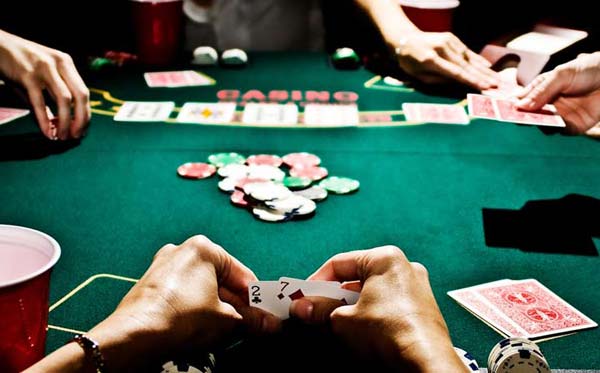
Today, gambling has entered a new phase characterized by online platforms and mobile gaming applications. Websites like LolaJack Casino offer immersive gaming experiences with a wide range of options from classic table games to innovative slots. Players can enjoy the thrill of gambling from the comfort of their homes, enhanced by enticing bonuses and promotions.
As the industry continues to evolve, responsible gambling has become a central focus. Companies are increasingly implementing measures to promote safe gaming practices, ensuring players can enjoy their experiences without falling into harmful patterns. The historical journey of gambling reflects not only a shift in societal attitudes but also an ongoing dialogue about balance, enjoyment, and responsibility in gaming.